Application-Led Sourcing: Why Buyers Should Start With the Finished Product
A product name alone is not enough for serious sourcing. Application-led sourcing helps buyers define the right mesh, solubility, carrier, taste, documentation and commercial route.
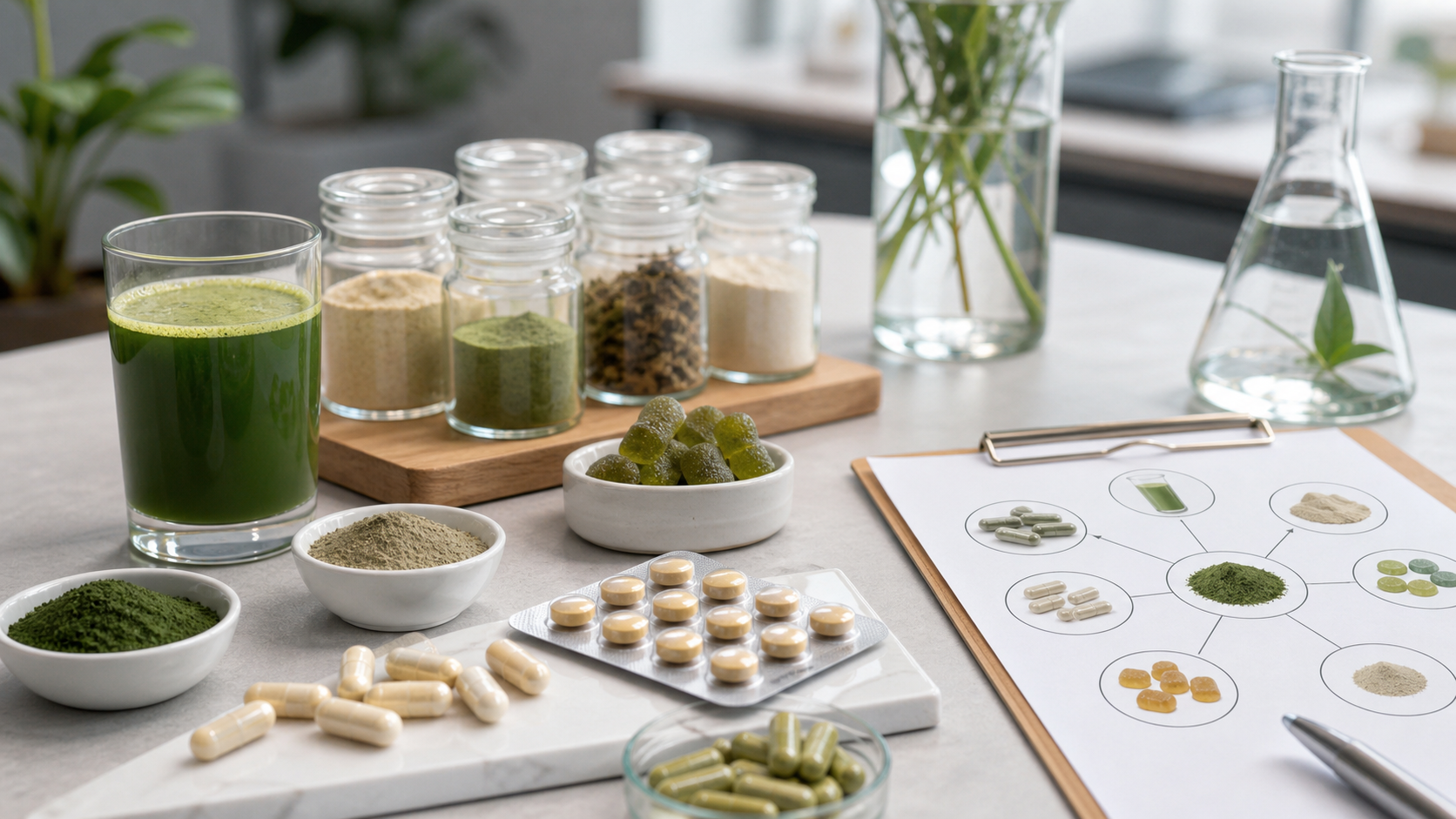
The same ingredient can behave differently in different products
Many sourcing discussions begin with a simple question: "What is your price for this ingredient?" In plant ingredient procurement, this is often too early.
A botanical extract or fruit powder may work well in capsules but perform poorly in an instant beverage. A powder may have the right assay but the wrong color, taste, solubility or particle size for the finished product.
This is why application-led sourcing is becoming more useful for B2B buyers.
Start with the finished product format
Before comparing suppliers, buyers should define where the ingredient will be used.
Typical formats include:
- Capsules
- Tablets
- Gummies
- Instant beverage powders
- Functional foods
- Meal replacement blends
- Cosmetic or personal care products
Each format creates different technical priorities.
Capsules and tablets
For capsules and tablets, buyers often need to confirm flowability, bulk density, mesh size, moisture and assay consistency. The material must fit production requirements, not only pass a specification sheet.
Useful supplier questions:
- What mesh size is standard?
- Can bulk density be provided?
- Is the powder free-flowing?
- Is the assay batch-tested?
- What sample quantity is available for trial?
Beverages and instant powders
For beverages, water solubility or dispersibility becomes central. Some plant powders naturally create sediment. This may be acceptable for smoothies but not for clear drinks.
Buyers should ask about:
- Solubility or dispersibility
- Sedimentation
- Taste and color impact
- Carrier system
- Heat or pH stability
Gummies and functional foods
Gummies and functional foods may involve heat, acid, sugar systems or long shelf life requirements. In these cases, taste, color, stability and dosage become important sourcing factors.
Application-led sourcing improves RFQ quality
When suppliers understand the finished product, they can recommend a better specification. This reduces the risk of receiving a quote that is cheap but unsuitable.
NutraDays view
We believe B2B ingredient sourcing should start with application fit. A clear RFQ should include product name, specification target, application, expected quantity, target market and document requirements.